
Wordless Picture Books (Language Development & Storytelling)
What are the best wordless picture books for kids (K–5)?
The best wordless picture books for kids use visual storytelling and clear picture sequences to help children develop language, comprehension, sequencing, and storytelling skills without relying on text. Many wordless books are especially effective for preschool and pre-K learners developing early oral language and comprehension skills (also for ESL/ELL learners, early readers, and mixed-level classrooms because they allow children to participate regardless of reading ability). By interpreting images and telling stories in their own words, students build curiosity, vocabulary, structure, and the foundational skills needed for reading success.
How wordless books support language development
Because there is no fixed text, children actively construct meaning—an essential skill for reading development and communication.
- Encourage storytelling and oral language development
- Strengthen comprehension through visual inference
- Remove language barriers for ESL/ELL learners
- Build confidence in reluctant or struggling readers
While wordless books focus on comprehension and storytelling, they also prepare students for phonics-based reading by strengthening sequencing, vocabulary, and narrative understanding.
Why teachers and parents choose wordless books
Because they are short and flexible across subjects and reading levels, these books are used in speech/language programs, homeschool settings, and family reading time. Wordless books are widely used in early literacy classrooms because they encourage participation before children can decode text independently. No decoding barrier—accessible to learners at every reading level. Encourages participation and discussion. Flexible for multiple lesson types. Supports both literacy and language development. Fosters calm engagement and connection. These individual titles are also included in 4 Seasons Books for Kids: A Wordless Collection for Beginning Readers, designed for repeated reading and flexible classroom use.
Featured Titles
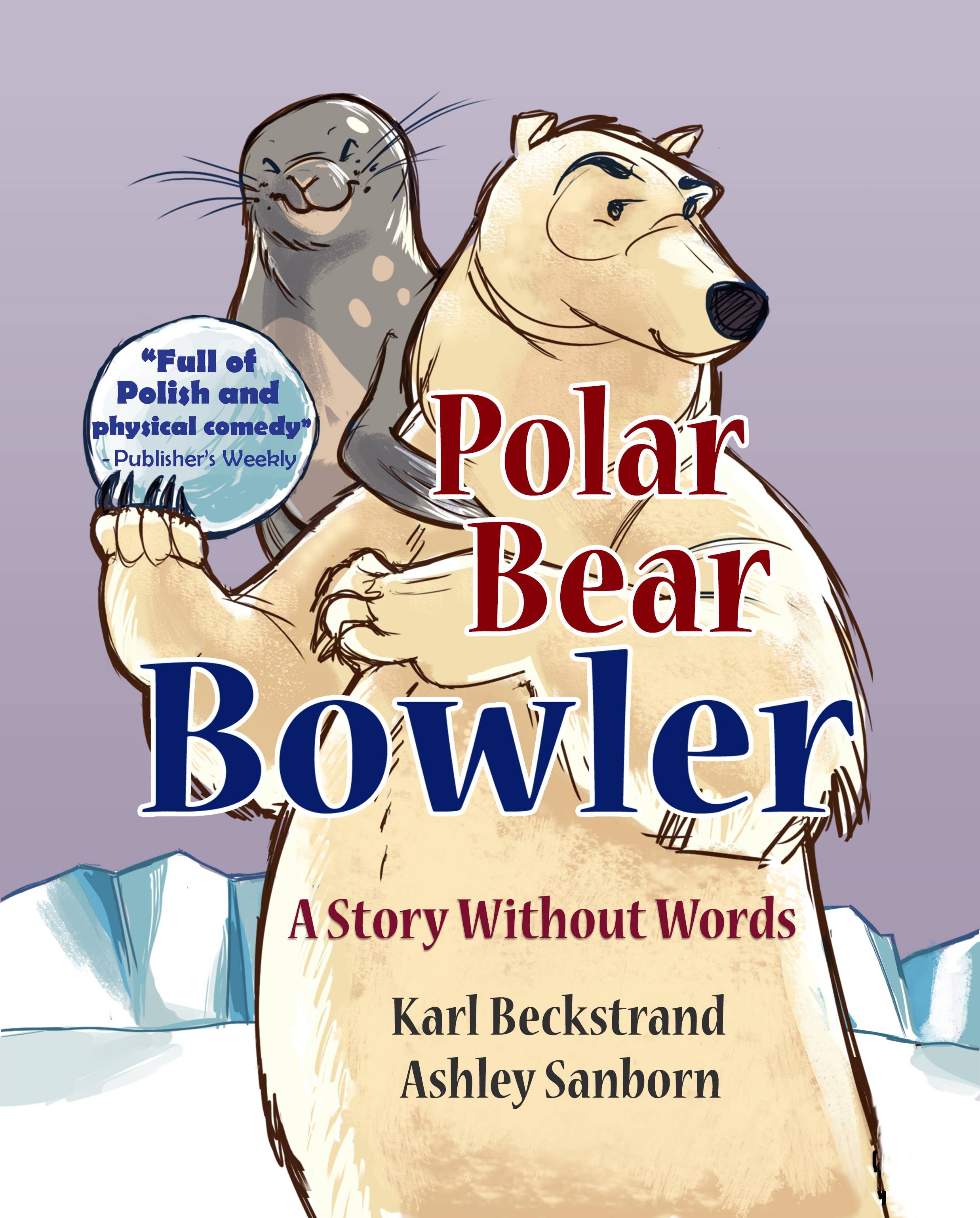 Polar Bear Bowler: A Story Without Words
- Fully wordless sportsmanship narrative
- Encourages oral storytelling and discussion
- Supports comprehension and sequencing
- Ideal for read-aloud and group interaction
Best for: Beginning readers, ESL/ELL, preschool
- Introduces sequencing and life-cycle concepts
- Aids discussion-based learning
- Supports science + literacy crossover
- Ideal for early learners and ESL students
Best for: Early learners, ESL/ELL, STEM crossover
- Strong visual sequence for comprehension
- Encourages imagination and cause-and-effect thinking
- Engages reluctant readers
- Great for mixed-level classrooms
Best for: Reluctant readers, mixed-level classrooms
- Encourages observation and inference
- Builds descriptive language
- Foments confidence in storytelling
- Provides for classroom discussion and writing prompts
Best for: Early learners, ESL/ELL, nature STEM
How to use wordless picture books (low-prep strategies)
- 1Day 1—Observe & Describe: Ask students what they see; identify characters, settings, and actions.
- 2Day 2—Build the Story: Have students narrate the story aloud; introduce vocabulary based on images.
- 3Day 3—Extend Learning: Write simple sentences based on the story; act out scenes or retell in groups.
Supporting different learners
Beginners
describe images with single words
Intermediate
create simple sentences
Advanced
develop full narratives and dialogue
They are especially effective for ESL/ELL students, preschoolers, reluctant readers, speech and language development, and inclusive classrooms.
Frequently Asked Questions
What are wordless picture books?
Wordless picture books are stories told entirely through illustrations without written text, allowing readers to interpret and narrate the story themselves. ESL students, beginning readers, and preschoolers can benefit from them.
How do wordless books help children learn to read?
Wordless books build foundational literacy skills by developing oral language, sequencing, comprehension, visual inference, and storytelling—skills that support later reading success.
Are wordless books good for ESL students?
Yes. Wordless books remove language barriers and allow students to practice speaking and comprehension using visuals.
At what age should children use wordless books?
Wordless books are ideal for preschool through elementary students (ages 2–10), depending on how they are used.
Explore Related Book Categories
What Reviewers Say
"Charming…full of polish and physical comedy."
— Publisher's Weekly (Polar Bear Bowler)
"Get ready to laugh…a wordless picture book that sparks imagination and storytelling."
— Educator (Gopher Golf)
"Engaging illustrations…encourages observation and creativity."
— Educator (Butterfly Blink)
About the Author
Former media professor Karl Beckstrand is the award-winning author of 50+ cross-cultural and wordless books used in classrooms, libraries, and homeschool settings worldwide. He has taught English language learners in the United States and abroad for many years.
Free Low-Prep Lesson Plans for K–10
Ready-to-use mini-units that combine reading, science, and vocabulary—used by teachers, parents, libraries, and ESL programs.
US & Canada (others order via Amazon, Apple, B&N, Ingram, Follett, Hertzberg, Target, Walmart). Prices are for individuals/nonprofits. Resellers: see retail catalog or contact us.